
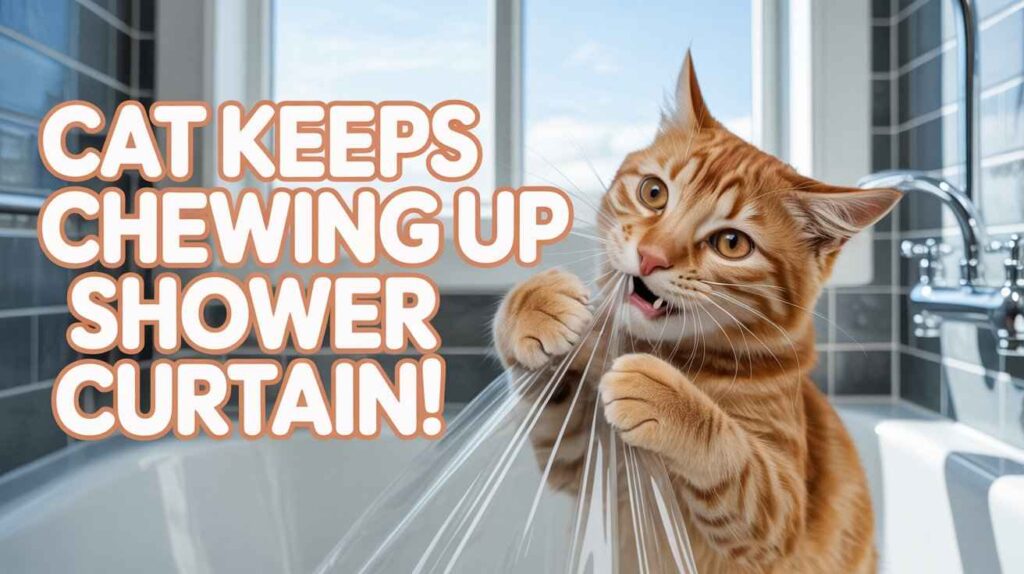
If you’re a homeowner in the USA, it can be incredibly frustrating to find that your cat keeps chewing up shower curtains, leaving your bathroom messy and potentially damaging expensive décor. This common problem isn’t just inconvenient—it can also be dangerous if your cat ingests bits of plastic or fabric, risking choking or digestive issues.
Fortunately, there are effective ways to tackle this behaviour. In this guide, we’ll explore why cats chew bathroom curtains, backed by behavioural insights, veterinary guidance, and practical tips. You’ll also discover product recommendations, training techniques, and prevention strategies to protect your home and keep your cat happy and healthy.
By the end of this article, you’ll have a clear, actionable plan to stop your cat from chewing shower curtains, safeguard your bathroom, and address indoor cat behaviour problems common among USA homeowners.
Why Your Cat Keeps Chewing Up the Shower Curtain
Cats often chew shower curtains because they are curious and attracted to the texture, movement, and sound of plastic or fabric. Indoor cats may also chew due to boredom, lack of stimulation, or teething, especially in kittens. In some cases, it may be a behavior called pica, where cats chew non-food items. Bathroom scents and the moving curtain can easily capture a cat’s attention, making it a tempting object to bite or play with.
Why Does My Cat Keep Chewing the Shower Curtain?
Cats often chew shower curtains because they are curious and attracted to the texture, movement, and sound of plastic or fabric materials. Indoor cats may also chew due to boredom, teething, stress, or a behavior called pica, where cats chew non-food items. The movement of a hanging curtain, combined with bathroom scents and unusual textures, can easily trigger a cat’s natural hunting and exploratory instincts.
Understanding the root cause—whether behavioral, medical, or environmental—can help prevent damage to your shower curtain and keep your cat safe.
Below are the most common reasons cats develop this chewing habit.
Behavioral Causes
Many cats chew household objects simply because it is part of their natural exploratory behavior. Cats use their mouths and paws to investigate unfamiliar textures, and a hanging shower curtain can quickly become an interesting object to interact with.
Common behavioral triggers include:
Curiosity and exploration
Cats naturally investigate new objects in their environment. A moving shower curtain may appear like a toy or prey, encouraging them to bite or pull on it.
Texture and sensory attraction
Plastic liners and fabric shower curtains have unique textures that some cats find satisfying to chew.
Habit reinforcement
If the curtain moves, makes noise, or reacts when bitten, the cat may find the interaction rewarding and repeat the behavior.
Over time, this curiosity can develop into a regular cat chewing habit, especially for indoor cats that lack stimulation.
Medical & Health Causes
In some situations, chewing behavior may be connected to physical discomfort or underlying health issues. Cats sometimes chew unusual materials when trying to relieve irritation in their mouth or satisfy biological urges.
Possible medical causes include:
Teething in kittens
Young cats often chew soft materials while their teeth are developing to relieve gum discomfort.
Dental problems
Conditions such as gingivitis, oral inflammation, or loose teeth may cause cats to chew on household items.
Pica disorder
Some cats develop pica, a condition where they compulsively chew or eat non-food materials like plastic, fabric, or paper.
Nutritional imbalances
Although rare, certain dietary deficiencies can lead to unusual chewing behaviors.
If the chewing becomes frequent or excessive, monitoring your cat for additional symptoms and consulting a veterinarian may be helpful.
Psychological Causes
A cat’s emotional state and home environment can also influence chewing behaviors. Stress or boredom often causes cats to develop repetitive habits such as chewing or biting household items.
Common psychological triggers include:
Boredom or lack of mental stimulation
Indoor cats that do not receive enough playtime may chew objects for entertainment.
Stress or anxiety
Changes in routine, new pets, loud noises, or unfamiliar environments can trigger stress-related behaviors.
Self-soothing habits
Some cats chew objects as a calming activity, similar to humans biting their nails.
Environmental stimulation
Bathrooms contain echoes, water sounds, and unusual smells that can stimulate a cat’s curiosity.
Providing interactive toys, climbing spaces, and daily play sessions can help reduce boredom-related chewing.
Why Cats Are Attracted to Plastic and Fabric Materials
Shower curtains are particularly appealing to some cats because of their material properties and movement.
Several factors make these materials attractive:
Chemical scents
Certain plastics may contain compounds or residues that produce interesting smells for cats.
Starch or coating residues
Some fabrics are treated with finishing agents that may attract pets.
Textural feedback
Plastic or vinyl curtains provide a stretchy or crinkly sensation when bitten.
Movement and motion
Air circulation or small movements can cause the curtain to sway, triggering a cat’s natural hunting instinct.
Because of these sensory cues, a shower curtain can easily become a frequent target for curious cats.
Distinguishing Chewing vs. Licking
Understanding the difference between chewing and licking behavior can help determine the cause and the best way to address it.
Chewing
This involves biting or tearing the curtain material and may lead to fabric damage or the risk of ingesting plastic pieces.
Licking
Cats may lick plastic or fabric due to taste, scent, or texture rather than destructive intent.
Recognizing whether your cat is chewing aggressively or simply licking can help identify whether the behavior is driven by curiosity, stress, or a medical issue.
Signs Your Cat Has a Chewing Habit

Cats that develop a chewing habit often show clear signs such as bite marks on plastic or fabric items, torn shower curtains, missing pieces of household materials, and repeatedly chewing the same objects despite being redirected. Some cats may also chew cords, plastic bags, or fabrics around the home. Recognising these behaviours early helps prevent damage and address boredom, stress, or medical causes.
Torn or Frayed Bathroom Curtains
One of the first signs of destructive cat behaviour is visible damage to the edges or lower sections of your shower curtain. Cats may start by nibbling or tugging at the material, which can lead to:
- Frayed fabric edges
- Small tears in plastic liners
- Loose threads hanging from curtain corners
This type of damage often appears in areas where the curtain hangs low or moves easily, making it accessible for curious cats.
Bite Marks or Missing Sections of the Curtain
A stronger indicator of a chewing habit is the presence of bite marks or holes in the curtain material. Cats that repeatedly chew plastic or fabric may leave:
- Tiny puncture marks from their teeth
- Ragged holes in vinyl or plastic liners
- Missing pieces of curtain material
These signs suggest the cat is actively chewing rather than simply playing with the curtain.
Repeated Chewing Despite Being Redirected
Another clear sign of a chewing habit is when the behaviour continues even after the cat is redirected to toys or other activities. For example, a cat might:
- Return to the curtain shortly after being moved away.
- Ignore chew toys and continue targeting the curtain
- Approach the curtain whenever it moves or makes noise.
When this happens regularly, the chewing behaviour may already be becoming a learned habit.
Stress Behaviours or Compulsive Habits Elsewhere
Chewing can sometimes be part of a broader pattern of stress-related behaviour. Cats that chew curtains may also show signs such as:
- Excessive licking or grooming
- Chewing plastic bags, cords, or fabric items
- Restless pacing or attention-seeking behaviours
These patterns can indicate boredom, anxiety, or insufficient stimulation.
Quick Checklist: Common Signs of Cat Chewing
You may notice a chewing habit if you see:
- Damaged or frayed shower curtains
- Bite marks on plastic or fabric materials
- Pieces of curtain missing or torn
- Your cat repeatedly returning to chew the curtain
- Other household items showing similar bite damage
Recognising these warning signs early allows cat owners to take preventive steps—such as providing safe chew toys, increasing enrichment activities, and cat-proofing bathroom areas.
Risks and Consequences of Cats Chewing Bathroom Curtains

A cat chewing bathroom curtains can lead to several risks, including health problems for the cat and damage to bathroom accessories. Cats may swallow plastic or fabric pieces, which can cause choking or digestive blockages. Repeated chewing can also tear shower curtains, create hygiene issues in the bathroom, and reinforce destructive behaviour that may spread to other household items.
Physical Harm to Your Cat
One of the most serious risks occurs when a cat bites or swallows pieces of plastic or fabric from a shower curtain. Many curtains are made from materials like vinyl, polyester, or PVC, which are unsafe for pets to ingest.
Possible health risks include:
- Choking hazards – Small torn pieces of curtain can become lodged in a cat’s throat.
- Intestinal blockage – Swallowed plastic or fabric may cause digestive obstructions requiring veterinary treatment.
- Dental damage – Chewing on tough materials can strain teeth or irritate the gums.
In severe cases, ingesting curtain material may lead to vomiting, loss of appetite, or abdominal discomfort that requires medical attention.
Damage to Bathroom Curtains
Another common consequence is damage to bathroom curtains or liners. Many homeowners use decorative or high-quality shower curtains, and repeated chewing can quickly ruin them.
Common signs of curtain damage include:
- Large tears in fabric curtains
- Holes in plastic or vinyl liners
- Loose threads or shredded edges
- Curtains pulled down from rods or hooks
Over time, repeatedly replacing damaged curtains can become expensive.
Household Hygiene and Maintenance Issues
A damaged shower curtain can also affect bathroom cleanliness and maintenance. Curtains help keep water inside the shower area, and when they are torn or damaged, several problems can occur:
- Water leaking onto the bathroom floor
- Increased cleaning and maintenance
- Risk of mould or bacteria forming on damaged materials
These issues can make the bathroom harder to maintain and less hygienic.
Long-Term Behavioural Problems
If the behaviour is not addressed early, cats may develop a repeated chewing habit. Cats often repeat actions that provide stimulation or entertainment, especially when the curtain moves or reacts.
Over time, this can lead to:
- The cat chewing the shower curtain whenever the bathroom is accessible
- Chewing spreading to plastic bags, cords, or fabrics
- A broader pattern of destructive behaviour around the home
Once this habit is reinforced, it can become more difficult to correct.
Why Addressing the Problem Early Matters
Ignoring curtain-chewing behaviour may lead to both health risks for your cat and repeated bathroom damage. Identifying the problem early allows homeowners to take preventive steps such as providing safe chew toys, increasing playtime and enrichment, and cat-proofing the bathroom environment.
How to Stop Your Cat from Chewing Shower Curtains
To stop your cat from chewing shower curtains, combine environmental changes, behaviour training, and safe deterrents. Limiting bathroom access, providing chew toys, increasing playtime, and using pet-safe deterrent sprays can reduce the behaviour. Cats often chew curtains due to curiosity, boredom, or attraction to plastic materials, so redirecting their attention to healthier activities helps prevent damage and keeps your pet safe.
Make the Bathroom Less Accessible
One of the most effective ways to prevent curtain chewing is to reduce your cat’s access to the bathroom or remove the temptation.
Simple environmental adjustments include:
- Close the bathroom door when the room is not in use.
- Tie the curtain higher so it does not hang within reach.
- Use stronger hooks or curtain rods to reduce movement.
- Select a shower liner that hangs higher and doesn’t reach the floor.
These small changes help create a cat-proof bathroom setup that discourages destructive behaviour.
Redirect Chewing to Safe Alternatives
Cats naturally explore objects using their teeth and paws. Instead of punishing the behaviour, redirect your cat to safe objects that satisfy this instinct.
Effective behaviour-training strategies include:
- Provide cat chew toys designed for safe biting
- Use positive reinforcement with treats or praise.
- Schedule daily interactive play sessions.
- Add enrichment items such as scratching posts or cat trees.
When indoor cats receive enough mental stimulation, boredom-related chewing behaviours usually decrease.
Use Safe Deterrents
Pet-safe deterrents can help discourage your cat from returning to the shower curtain.
Common deterrent options include:
- Bitter-tasting sprays made specifically for pets
- Citrus-based scents, which many cats dislike
- Protective barriers or clips that block access to the curtain
These techniques make the curtain less attractive while keeping your cat safe.
Switch to More Durable Curtain Materials
Sometimes the chewing habit is triggered by the material itself. Certain plastics or thin fabrics may attract cats because of their texture or scent.
Consider replacing your curtain with:
- Thicker vinyl or reinforced liners
- Heavy fabric shower curtains
- PVC-free materials that produce fewer odours
- Replaceable liners that can be swapped easily if damaged
Choosing a durable, cat-resistant shower curtain material can significantly reduce chewing behaviour.
Why Consistency Is Important
Stopping destructive chewing takes patience and consistency. Combining environmental control, enrichment, and training helps your cat develop healthier habits. Over time, most cats lose interest in chewing curtains once they have safer and more engaging alternatives.
Step-by-Step Prevention Plan

To prevent your cat from chewing shower curtains, follow a simple step-by-step plan that includes identifying chewing triggers, securing bathroom curtains, providing enrichment toys, using safe deterrents, and rewarding positive behaviour. Consistent training and environmental adjustments help redirect your cat’s attention to safe activities while protecting bathroom accessories from damage.
Step 1: Identify Your Cat’s Chewing Triggers
The first step in preventing curtain chewing is understanding why your cat is attracted to the shower curtain.
Look for patterns such as:
- Chewing when the curtain moves or makes noise
- Chewing during quiet periods when the cat is bored
- Increased chewing after changes in routine or environment
- Interest in plastic or fabric materials around the home
Recognising these triggers helps determine whether the behaviour is caused by curiosity, boredom, stress, or material attraction.
Step 2: Secure or Remove Vulnerable Curtains
Once you identify the triggers, reduce opportunities for your cat to interact with the curtain.
Helpful ways to protect bathroom curtains include:
- Always keep the bathroom door shut whenever it’s unoccupied.
- Using shorter shower curtains or liners that stay above the floor
- Securing curtains with strong hooks or clips
- Temporarily tying the curtain higher to keep it out of reach
These adjustments create a cat-proof bathroom environment that discourages chewing.
Step 3: Provide Chew Toys and Enrichment
Cats often chew household items when they lack stimulation. Providing safe alternatives helps redirect this behaviour.
Effective enrichment options include:
- Durable cat chew toys designed for biting
- Interactive toys that encourage hunting and play
- Puzzle feeders for mental stimulation
- Scratching posts or climbing structures
Regular playtime and enrichment activities help reduce boredom-related chewing behaviours.
Step 4: Use Safe Deterrents Consistently
Deterrents can make the curtain less appealing and discourage your cat from returning to it.
Common safe deterrent options include:
- Pet-safe bitter sprays applied to curtain edges
- Citrus-based scents that cats dislike
- Protective barriers or clips that block access
When used consistently, these deterrents help reinforce that the curtain is not an appropriate object to chew.
Step 5: Reward Positive Behaviour
Positive reinforcement is one of the most effective training methods for cats.
Encourage good habits by:
- Giving small treats when your cat plays with approved toys
- Offering praise or gentle affection
- Redirecting curiosity toward toys instead of the curtain
This helps your cat associate healthy behaviours with rewards.
Step 6: Review and Adjust the Plan
Behaviour change takes time, so it is important to evaluate your prevention plan regularly.
Cat owners should:
- Check curtains periodically for new damage
- Rotate toys and enrichment activities
- Maintain consistent supervision and training
Adjusting your strategy when needed helps prevent the chewing behaviour from returning.
Common Mistakes Cat Owners Make

When trying to stop a cat from chewing shower curtains, many owners accidentally reinforce the behaviour. Common mistakes include ignoring early chewing signs, using punishment instead of redirection, choosing unsafe deterrents, and failing to provide enough mental stimulation. Avoiding these errors and using positive training methods helps prevent destructive chewing and supports healthier indoor cat behaviour.
Ignoring Early Signs of Chewing
One of the most common mistakes is waiting too long to address the problem. Small signs of chewing can quickly develop into a regular destructive habit.
Early warning signs may include:
- Small bite marks on the curtain
- Frayed edges or loose threads
- Minor tears in plastic or fabric liners
If these signs are ignored, the behaviour may become more frequent and harder to correct.
Using Punishment Instead of Redirection
Many cat owners try to stop chewing by scolding or punishing their cat. However, punishment rarely works because cats do not easily connect the punishment with the behaviour.
Better alternatives include:
- Redirecting chewing toward safe toys
- Rewarding the cat when it ignores the curtain
- Using positive reinforcement training
Positive training methods help cats learn acceptable behaviours without creating fear or anxiety.
Choosing Unsafe Deterrents
Another mistake is using harsh chemicals or unsafe deterrents to stop the behaviour. These products may harm the cat or damage bathroom surfaces.
Safer deterrent options include:
- Pet-safe bitter sprays
- Citrus-based scents that cats dislike
- Physical barriers such as curtain clips or shields
Using safe deterrents protects both your cat and your home.
Failing to Provide Mental Stimulation
A lack of stimulation is one of the biggest causes of destructive chewing in indoor cats. When cats are bored, they often look for objects to chew or play with.
Ways to prevent boredom include:
- Daily interactive play sessions
- Puzzle feeders or treat-dispensing toys
- Scratching posts and climbing structures
Providing enrichment keeps indoor cats mentally engaged and reduces boredom-related chewing behaviours.
Product Recommendations for Cat Owners
When a cat keeps chewing up the shower curtain, investing in the right products can make a big difference. Effective tools include cat‑safe sprays, enrichment toys to redirect chewing instincts, and protective bathroom accessories to safeguard your curtain while you train your cat. Below are top product categories and examples that help with both prevention and behaviour change.
Bitter Sprays & Cat‑Safe Deterrents

Sprays that taste bitter or have scents cats dislike can discourage chewing without harming your pet. These are ideal for training and redirecting chewing behaviour.
Helpful Deterrent Sprays:
- EBPP Stop The Scratch Cat Spray Deterrent for Kittens and Cats
- Tetra No Scratch Bitter Spray – A natural bitter-taste deterrent that cats dislike, useful to prevent biting or chewing on surfaces.
- Cat Repellent/Deterrent Sprays (Various brands) – Non-toxic sprays formulated to discourage cats from chewing or scratching furniture, curtains, and household items.
Why It Helps:
These products act as cat-safe sprays to stop chewing—making the shower curtain less appealing without hurting your cat.
Chew Toys & Enrichment Items

Providing your cat with fun, engaging alternatives can reduce boredom and redirect destructive chewing.
Recommended Types:
- Sisal Catnip Pillow Toy Kickers, 2 Pack –
- Interactive puzzle toys
- Chew‑friendly toys with durable rubber or rope
- Treat‑dispensing toys to engage hunting instincts
Benefits:
- Keeps your cat mentally stimulated
- Channels chewing into positive behaviour
- Complements training and behaviour modification
- Encourages active play, teething relief, and healthy chewing habits
Offering a variety helps keep cats engaged and less focused on bathroom curtains, making this a great addition for indoor enrichment.
Protective Curtain Liners or Shields
If your cat repeatedly targets the shower curtain, adding a physical barrier can reduce access while you work on behaviour.
Protection Ideas:
- Thicker vinyl liners or PVC alternatives
- Shower curtain shields or splash guards
- Materials that are less appealing or harder to chew
These protective bathroom curtains help preserve your interior accessories until your cat learns not to chew.
Affordable vs Premium Options for US Homeowners
Depending on your budget and how severe the chewing behaviour is, there are both basic and more advanced products:
Affordable Choices — Budget‑Friendly
- Basic bitter sprays or DIY deterrent sprays
- Simple chew toys or rope toys
- Standard shower curtain liners to minimise damage
Premium Options — Long‑Term Solutions
- Speciality cat training sprays designed for high chewing activity
- High‑quality interactive enrichment systems
- Durable protective curtain liners with reinforced materials
For many cat owners in the USA, starting with affordable sprays and chew toys often delivers immediate results, and you can scale up to more advanced protections if needed.
How These Products Help
Combining deterrent sprays, engaging chew toys, and protective shower curtain solutions creates a well‑rounded strategy. Sprays make the target less attractive, toys redirect your cat’s natural chewing instincts, and protective liners safeguard bathroom elements while you implement behaviour changes.
Training & Long-Term Behaviour Management
Effectively addressing a cat that keeps chewing up the shower curtain requires more than quick fixes—it involves consistent training and long-term behaviour management. By combining structured training, positive reinforcement, environmental enrichment, and regular monitoring, homeowners can redirect destructive behaviour while promoting mental stimulation and well-being.
This section provides a clear, step-by-step guide to train your cat to stop chewing shower curtains and prevent relapses.
Step-by-Step Training Plan Overview
A structured plan is essential to teach your cat which items are appropriate to chew and which are off-limits. A simple approach includes:
- Identify triggers – Observe when and why your cat targets the shower curtain (boredom, curiosity, stress).
- Redirect behaviour – Offer chew toys, catnip pillows, or interactive toys when your cat approaches the curtain.
- Use deterrents – Apply cat-safe sprays or physical barriers to make curtains less appealing.
- Consistency is key – Repeat the process daily, ensuring all household members follow the same rules.
Following a step-by-step training plan ensures the cat learns gradually, reducing destructive habits effectively.
Reward Systems to Encourage Proper Behaviour
Positive reinforcement strengthens good habits. Rewarding your cat for ignoring the curtain or playing with approved toys helps reinforce desired behaviour:
- Give small treats immediately after positive behaviour.
- Praise your cat verbally or with gentle petting.
- Use clicker training if your cat responds well to it.
A consistent reward system makes learning enjoyable and encourages long-term compliance.
Reducing Boredom and Stress Through Environmental Enrichment
Cats often chew out of boredom or stress. Providing mental and physical stimulation helps prevent destructive habits:
- Interactive toys, puzzle feeders, and treat dispensers
- Scratching posts, climbing shelves, or cat trees
- Scheduled play sessions and daily interaction
Addressing indoor cat boredom solutions keeps your pet engaged and reduces the urge to chew household items.
Monitoring Progress and Preventing Relapses
Behaviour change requires patience. Regularly tracking your cat’s progress ensures the training plan is effective and prevents setbacks:
- Observe chewing behaviour daily and note improvements.
- Rotate toys and enrichment activities to maintain interest.
- Adjust deterrents or rewards as needed if behaviour resurfaces.
Monitoring progress and reinforcing positive behaviour consistently helps maintain long-term results and prevents your cat from returning to destructive chewing habits.
When to Consult a Veterinarian
You should consult a veterinarian if your cat keeps chewing the shower curtain persistently, shows signs of pica or oral discomfort, or may have dental issues, behavioural disorders, or nutritional deficiencies. Early intervention ensures your cat’s health and prevents further damage.
Persistent Chewing Despite Interventions
If your cat continues chewing the shower curtain even after environmental changes, deterrents, and training, this could indicate a deeper problem, such as:
- Unresolved stress or anxiety
- Ineffective enrichment or lack of stimulation
- Potential medical issues causing discomfort
A veterinarian can help identify the underlying cause and provide targeted solutions for safe, long-term behaviour management.
Signs of Pica or Oral Discomfort
Pica—compulsive chewing of non-food items—requires professional attention. Look for these warning signs:
- Frequent chewing of plastic, fabric, or other inedible materials
- Drooling, pawing at the mouth, or difficulty eating
- Vomiting or gagging after chewing non-food items
Early veterinary assessment helps prevent choking hazards, intestinal blockages, and other health complications.
Dental Issues, Behavioural Disorders, or Nutritional Deficiencies
Chewing may also stem from:
- Dental problems: gingivitis, loose teeth, or oral pain
- Behavioural disorders: compulsive chewing or anxiety-driven habits
- Nutritional deficiencies: certain mineral or vitamin imbalances triggering abnormal chewing
A veterinarian can perform an examination, recommend dietary adjustments, or prescribe behavioural interventions to correct these issues safely.
Why Veterinary Advice Matters:
Seeking professional help ensures your cat’s chewing is not a symptom of pica, oral health problems, or other medical conditions. Addressing the root cause early protects your cat’s health and prevents further bathroom damage.
Conclusion
Addressing the problem of a cat that keeps chewing up the shower curtain requires understanding the root causes and taking consistent, practical steps. With the right strategies, homeowners can protect their bathroom, reduce stress for both themselves and their cat, and promote healthier behaviours.
1: Is chewing shower curtains harmful to my cat?
Yes. Chewing can cause choking, intestinal blockages, or dental damage. Early intervention protects your cat and your curtains.
2: Why does my cat chew only in the bathroom?
Cats are drawn to moving curtains, plastic textures, and bathroom scents. Boredom or limited stimulation also makes the bathroom a favourite chewing spot.
3: Are there safe materials for shower curtains for cats?
Yes. Use thick fabrics, durable vinyl, or PVC alternatives. Removable liners are also safer and easier to replace.
4: Can diet affect chewing behaviour?
Yes. Nutritional deficiencies or imbalances can trigger chewing. Ensure a balanced diet and consult a vet if needed.
5: How long does it take to stop this behaviour?
Kittens may take 2–4 weeks; adults, 4–8 weeks. Consistent training, enrichment, and deterrents speed up results.
Affiliate Disclosure
This post contains affiliate links, which means we may earn a small commission if you purchase through them at no extra cost to you. We only share products we personally recommend and believe can help prevent your cat from chewing shower curtains and support healthy behaviour.

I’m Attaur Rahman, founder of DecorReviewHub. I test and review curtains and home decor products to help homeowners make the right choice for every room. All my guides are based on real use and honest comparisons.