
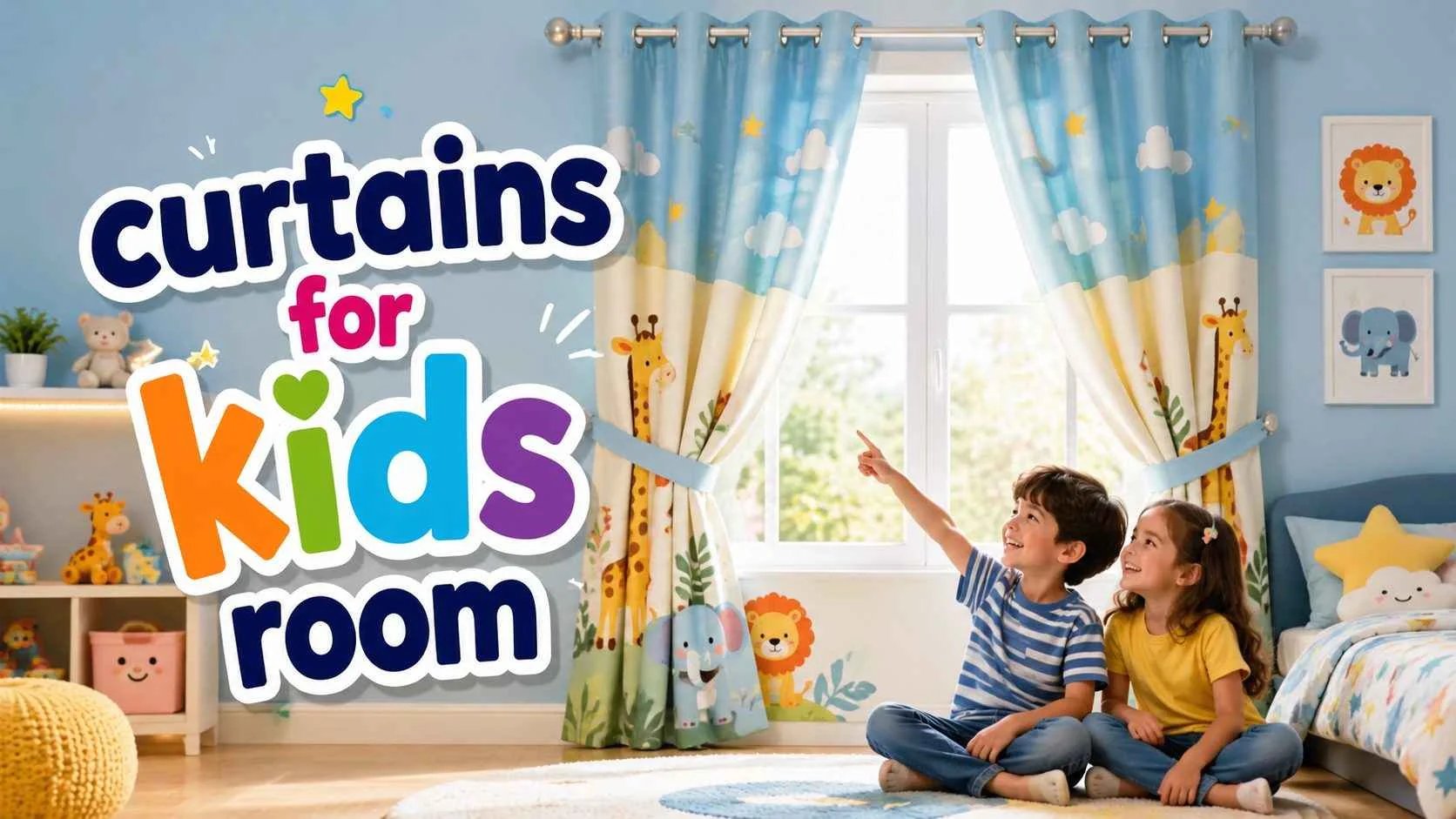
Every parent knows that a child’s room is more than just a place to sleep—it’s where imagination grows, comfort feels safest, and bedtime routines are built. Yet one detail often gets overlooked until the last minute: the curtains. Choosing the right curtains for a kids’ room isn’t just about matching colors or patterns; it taps into a deeper sense of security children feel when their space is calm, dark, and predictable at night.
From a psychological standpoint, consistent darkness and a cozy, familiar environment help regulate a child’s internal clock, making it easier for them to fall asleep and stay asleep. A poorly chosen curtain — one that lets in early morning light or feels unsafe with dangling cords — can quietly disrupt that sense of comfort without a parent even realizing why. This guide walks you through everything you need to know, from safety standards and fabric choices to age-specific recommendations, so you can create a room that feels as secure as it looks.
Quick Buying Checklist Before You Choose Kids’ Room Curtains
Choosing curtains for a kids’ room comes down to seven factors: window size, child’s age, privacy needs, sunlight direction, sleep requirements, budget, and safety. The right combination ensures proper light control, cord-free safety, easy maintenance, and a design that suits your child’s age and room theme.
Before buying, measure your window’s width and height, note which direction the room faces (east-facing rooms need more blackout for early sunrise), and decide how much natural light your child needs during the day versus at bedtime. Younger children typically require higher blackout percentages for consistent nap schedules, while older kids can manage with room-darkening or light-filtering fabric. Safety isn’t a nice-to-have here — it’s the deciding factor. Curtains with cordless, grommet, or rod-pocket headers remove the strangulation hazards that CPSC safety guidelines specifically warn against. Budget-wise, machine-washable cotton or polyester blends offer the best balance of durability and affordability for a space prone to spills and mess.
Use the checklist below to evaluate every option before purchasing:
Yahan completely reworded version hai:
| Checklist Item | Key Consideration |
|---|---|
| Window Dimensions | Take accurate width and height measurements, then allow 1.5–2 times extra fabric width for a full, gathered look |
| Age of Your Child | Babies and young toddlers benefit from near-total darkness, while older kids and teens often value privacy more than light control |
| Sun Exposure & Privacy | Rooms that catch morning sun need heavier, more opaque fabric to prevent early wake-ups |
| Sleep Requirements | Choose full blackout for daytime naps; a lighter room-darkening fabric works for regular nighttime sleep |
| Price Range | Entry-level options run $15–30, mid-tier choices fall between $30–60, and custom or premium panels start at $60+ |
| Care & Longevity | Look for cotton-poly blends that hold up to washing and everyday wear and tear |
| Child Safety | Prioritize cord-free operation, sturdy rod installation, and fabric free from harmful chemicals or flammable materials |
Types of Curtains for Kids’ Rooms (Blackout vs. Sheer vs. Room Darkening)
The main curtain types for a kids’ room are blackout, room-darkening, sheer, thermal, and soundproof. Blackout curtains block 95–100% of light for naps and sleep; room-darkening blocks 60–80% for balanced brightness; sheer fabric filters daylight for play areas; and thermal or soundproof panels add insulation and noise control.
Blackout curtains suit infants and toddlers who nap daily, using triple-weave or foam-backed fabric to support melatonin production and steady sleep cycles—ideal for east-facing rooms with strong morning sun.
Room-darkening curtains offer a middle ground for school-age kids who no longer nap but still need a dim, cozy room at bedtime.
Sheer/light-filtering curtains work best in playrooms or daytime spaces, softening glare while letting light through, though they offer little privacy or sleep support.
Thermal & soundproof curtains rely on thick, layered materials that trap warmth and block street sounds—ideal for noisy roads or harsh weather.
Curtains vs. Blinds vs. Roman Shades: Curtains give the best light control and softest look. Cordless Roman shades offer a clean, minimal profile. Blinds are budget-friendly but carry more cord-safety risk unless labeled cordless.
| Curtain Type | Light Blocking | Best For | Typical Price Range |
|---|---|---|---|
| Blackout Curtains | 95–100% | Infants and toddlers | $20–$60 |
| Room Darkening Curtains | 60–80% | School-age children | $15–$45 |
| Sheer Curtains | 0–20% | Playrooms and daytime spaces | $10–$30 |
| Thermal Curtains | 60–95% | Cold or hot climates | $25–$70 |
| Soundproof Curtains | 70–100% | Noisy neighborhoods or busy streets | $30–$80 |
| Roman Shades (Cordless) | 50–90% | Toddler-safe rooms | $25–$65 |
| Blinds (Non-Cordless) | 50–90% | Budget-friendly option (not recommended for toddlers) | $10–$40 |
Safety Guide — What Every Parent Must Know
Child-safe curtains should be cordless, firmly anchored, and made from non-toxic materials to align with U.S. safety regulations. The U.S. Consumer Product Safety Commission, alongside the Window Covering Manufacturers Association, upholds ANSI/WCMA A100.1-2018, a safety standard requiring almost all retail window coverings to be sold without cords, because exposed cords continue posing a serious strangulation hazard for infants and toddlers.
CPSC & ANSI/WCMA Cordless Standards Explained
This standard covers curtains, blinds, and shades equally, requiring any product marketed for children’s spaces to either eliminate cords or keep them fully out of reach. Genuine compliance is usually noted directly on the packaging or product listing.
Cord Strangulation Hazards & How to Avoid Them
Cord cleats and tension clips only reduce risk temporarily—the CPSC advises full replacement with cordless designs instead. Grommet, rod-pocket, or motorized curtains remove this danger entirely by operating without any hanging cords.
Secure Rod Mounting (Toddlers Who Climb)
Since toddlers often tug or hang on nearby fabric, curtain rod safety depends on anchoring hardware into wall studs or using toggle bolts rather than lightweight drywall anchors, preventing sudden detachment under a child’s weight.
Flame-Resistant & Non-Toxic Fabric Certifications
Choose fabrics carrying OEKO-TEX or GREENGUARD certification, confirming they’re free from formaldehyde, heavy metals, and other chemicals sometimes found in blackout linings exposed to sunlight. Flame-resistant treatments add extra protection near heaters or outlets. For verified details, refer to CPSC.gov‘s window covering safety guidance.
Best Curtains by Age Group
The best curtains for kids vary by age: nurseries need 95–100% blackout with cordless designs, toddlers require secure, safety-certified fabric, school-age kids benefit from playful room-darkening styles, pre-teens want personalized themes, and teenagers prioritize privacy with light-filtering or blackout panels depending on sleep habits.
Nursery/Baby (0–2 Years) — Max Blackout & Cordless
Nursery curtains should deliver near-total blackout to support melatonin production and consistent nap schedules, paired with cordless grommet or rod-pocket headers to remove strangulation risk near cribs.
Toddler (3–5 Years) — Safety First
Toddler room curtains demand wall-anchored rods and cord-free hardware, since children this age frequently climb or pull on nearby fabric, making secure mounting as critical as light control.
School-Age (6–9 Years) — Fun + Function Balance
Preschool and early school-age curtains can shift toward room-darkening fabric with themed prints, balancing personality with enough light control for consistent bedtimes.
Pre-Teen (10–12 Years)
At this stage, curtains lean toward personal style—solid colors, geometric patterns, or mild darkening—while safety concerns around cords and rod stability become less critical.
Teenagers — Style & Privacy Priority
Curtains in teenage girls’ and boys’ bedrooms prioritize privacy and restful sleep, frequently featuring blackout fabrics or thicker panels with sophisticated colors and stylish layered window treatments.
| Age Group | Recommended Blackout Level | Recommended Curtain Length | Top Safety / Practical Concern |
|---|---|---|---|
| Nursery (0–2 years) | 95–100% | Sill-length | Cordless hardware |
| Toddler (3–5 years) | 85–95% | Sill-length | Secure rod mounting |
| School-Age (6–9 years) | 60–80% | Sill-length to Floor-length | Fabric durability |
| Pre-Teen (10–12 years) | 50–70% | Floor-length | Minimal safety concerns (style-focused) |
| Teenager | 70–100% | Floor-length | Privacy and light control |
Curtains for Boys vs Girls vs Gender-Neutral Rooms
Boys’ rooms often use blue, green, or gray with themes like space, cars, or dinosaurs. Girls’ rooms lean toward pink, purple, or soft pastels with themes like flowers, unicorns, or princesses. Shared rooms work best with neutral colors like yellow, mint, or striped patterns, while gender-neutral picks use simple shapes and earthy tones that suit any child.
Best Colors & Themes for Boys
Boys’ curtains usually come in bold or cool colors such as navy, forest green, or gray. Popular themes include outer space, animals, sports, and vehicles like cars or trucks. These designs feel fun and adventurous without looking too babyish as the child grows older.
Best Colors & Themes for Girls
Girls’ curtains often feature pink, lavender, or soft coral shades paired with themes like flowers, butterflies, or fairy tales. Many parents also choose gentle pastel stripes or polka dots for a calm, cheerful look that still feels grown-up over time.
Shared Room Solutions (Boy + Girl)
For a room shared by a boy and a girl, neutral colors work better than picking one gender’s favorite shade. Yellow, mint green, gray, and warm beige are popular choices, along with simple patterns like stripes or stars that both kids can enjoy equally.
Gender-Neutral Picks That Grow With Your Child
Gender-neutral curtains use soft, natural tones like sage green, sand, or soft gray, along with simple shapes such as clouds, mountains, or dots. These designs don’t feel childish too fast, so they can stay in the room even as your child grows older.
Best Fabrics for Kids Room Curtains
The best fabric for kids’ curtains depends on your needs: cotton is soft and safe, polyester is tough and cheap, linen looks elegant, velvet blocks light well but feels heavy, and blackout-lined fabric gives the darkest room for sleep.
Cotton — Breathable & Safe
Cotton curtains feel soft, let air pass through, and rarely cause skin irritation, making them a safe pick for babies and young kids. They are also easy to wash, though they may wrinkle more than other fabrics.
Polyester — Durable & Budget-Friendly
Polyester curtains resist tearing, fading, and stains, which makes them a smart choice for busy kids’ rooms. They also cost less than most other fabrics and hold their color well after many washes.
Linen — Natural & Elegant
Linen curtains give a light, natural look and feel more grown-up in style. They work well in older kids’ or teens’ rooms but need gentler care since the fabric can wrinkle or tear more easily than cotton.
Velvet — Insulating but Heavy
Velvet curtains block light and cold air very well, keeping a room warm and dark. However, they are heavy, collect dust faster, and are harder to wash compared to lighter fabrics.
Blackout-Lined Fabric
Blackout-lined curtains have an extra layer sewn in to block almost all outside light. This helps kids sleep better during naps or early mornings and also adds a bit of noise and heat control.
| Fabric | Durability | Safety | Ease of Cleaning | Price Range |
|---|---|---|---|---|
| Cotton | Medium | High | Easy | $ |
| Polyester | High | Medium | Very Easy | $ |
| Linen | Medium | High | Moderate | $$ |
| Velvet | High | Medium | Difficult | $$$ |
| Blackout-Lined Fabric | High | Medium–High | Moderate | $$–$$$ |
Step-by-Step Guide to Measuring Curtains for a Child’s Bedroom
To measure curtains correctly, check your window’s width and height, then add extra fabric for fullness and length. Curtain width should be 1.5 to 2 times the window’s width, and length depends on style—sill, apron, or floor. For kids’ rooms, shorter lengths are safer than floor-length curtains.
Measuring Width & Fullness Formula
Start by measuring the width of your window or curtain rod. Then multiply that number by 1.5 to 2 to get the total curtain width needed. This extra fabric creates soft folds instead of a flat, stretched look when the curtains are closed.
Curtain Length Types (Café, Sill, Apron, Floor, Puddle)
Café curtains extend across just the lower portion of each window. Sill-length curtains stop right at the window’s edge. An apron length hangs a few inches below the sill. Floor-length touches the ground, and puddle-length pools extra fabric on the floor for a fancy look.
Why Floor-Length Curtains Can Be Less Safe for Toddlers
Floor-length curtains can be a tripping hazard and give toddlers something to grab, climb, or pull on. Sill-length or apron-length curtains are safer choices since they keep fabric away from small hands and feet.
Rod Placement & Stack Back
Hang the curtain rod about 4 to 6 inches above the window frame to make the window look bigger. Also leave extra space on both sides so the curtains can fully open and let more light into the room.
Choosing the Right Color for Kids’ Room Curtains
The best curtain colors for a kids’ room depend on the mood you want. Soft colors like blue, green, and lavender help kids relax and sleep better. Bright colors like yellow, orange, and red add energy, making them great for playrooms. Pastels and neutral shades work well for a calm, timeless look.
Calming Colors (Blue, Green, Lavender) for Better Sleep
Soft shades of blue, green, and lavender are known to create a peaceful feeling in a room. These colors are often chosen for bedrooms because they help kids feel calm and fall asleep more easily.
Energetic Colors (Yellow, Orange, Red) for Play Areas
Bright colors like yellow, orange, and red bring energy and excitement to a space. These shades work best in playrooms or activity areas, where you want kids to feel active and cheerful rather than sleepy.
Neutral & Pastel Options
Soft pastel tones like light pink, mint, or cream give a room a gentle, balanced look. Neutral colors also match easily with different themes, so parents don’t need to change curtains as their child’s taste changes.
Curtain Styles & Design Ideas for Kids Rooms
Popular curtain styles for kids’ rooms include minimal modern designs, printed patterns, and fun themes like space or dinosaurs. Simple styles suit calm rooms, while bold prints and themes add personality and make a room feel exciting for kids.
Minimal & Modern Styles
Minimal curtains use plain colors and clean lines without busy patterns. This style works well in modern rooms and doesn’t look outdated as your child grows older.
Printed & Patterned Options
Printed curtains add fun shapes like stripes, dots, or stars to a room. These patterns bring color and life to a space without needing extra wall decor.
Popular Themes (Explore More Ideas)
Many parents choose themed curtains to match their child’s interests. Popular options include:
- Dinosaur curtains
- Space and star curtains
- Princess curtains
- Unicorn curtains
- Jungle curtains
- Ocean and sea curtains
- Car curtains
Climate & Functional Performance
The right curtains can help control room temperature and block outside noise. Thick, insulated curtains work best in cold areas; light-blocking fabric helps in hot, sunny places; and heavy curtains reduce noise in busy city homes.
Best Curtains for Cold Climates (Insulation)
Thick, layered curtains trap warm air inside the room and stop cold drafts from windows. This keeps a child’s room cozy during winter without needing extra heating.
Best Curtains for Hot/Sunny Climates (UV Protection)
In hot or sunny areas, curtains with a special coating can block strong sunlight and harmful UV rays. This keeps the room cooler and protects furniture and fabric from fading.
Noise Reduction for City Homes
Heavy, tightly woven curtains help block outside sounds like traffic or street noise. This is especially helpful for kids who need a quiet room for naps or early bedtimes.
Curtain Hardware & Installation Guide
Curtain hardware affects how safe and easy curtains are to use. Rod and ring sets are simple and common; track systems allow smooth sliding, and cordless motorized options offer the safest choice for kids’ rooms.
Rod & Ring vs. Track System
Rod and ring hardware is easy to install and works well for most homes. Track systems glide more smoothly and are often used with heavier or motorized curtains.
Grommet vs Rod Pocket vs Pinch Pleat
These are three common curtain headers, each with different looks and ease of use:
| Header Type | Ease of Use | Look | Cordless |
|---|---|---|---|
| Grommet | Very Easy | Modern | Yes |
| Rod Pocket | Easy | Casual | Yes |
| Pinch Pleat | Moderate | Elegant | Yes |
Motorized/Cordless Track Systems (Safety Upgrade)
Motorized curtains open and close using a remote or app, removing the need for any cords. This makes them one of the safest hardware choices for a child’s room.
Maintenance & Cleaning Tips
Keeping kids’ curtains clean is easy with the right care. Machine-washable fabrics work best for busy rooms, spot cleaning helps with small stains, and proper drying keeps curtains looking fresh for a long time.
Machine Wash vs. Spot Clean
Most cotton and polyester curtains can go straight into the washing machine on a gentle cycle. For small spills or light stains, spot cleaning with a damp cloth is faster and helps the fabric last longer.
How Often to Wash (Frequency Guide)
Kids’ curtains should be washed every one to two months, since they collect dust, allergens, and handprints faster than curtains in other rooms. Rooms with pets or younger kids may need washing more often.
Drying & Ironing Tips
Air drying is the safest option for most kids’ curtain fabrics, as high heat can shrink or damage the material. When pressing is required, keep the iron on a low setting and press the fabric from its backside.
Decorating Tips — Matching Curtains With the Rest of the Room
Curtains look best when they match the room’s overall style. Picking colors and patterns that go well with bedding, rugs, and walls creates a neat, put-together look for any kids’ room.
Coordinating with Bedding & Rugs
Choose curtains that share at least one color with the bedding or rug in the room. This creates a simple, matching look without needing every item to be identical.
Matching with Wallpaper & Wall Colors
If the room has patterned wallpaper, plain or solid-colored curtains usually work best. For plain walls, patterned or themed curtains can add extra color and personality to the space.
Perfect, SAB products review kar liye. Maine har product ko uske features ke hisab se best category assign ki hai:
Best Curtains for Kids’ Rooms by Budget
Finding the right curtains for a kids’ room doesn’t have to be expensive. Whether you’re looking for cheap blackout curtains, custom sizing, or the best overall pick for 2026, there’s an option below to match every budget and need.
Best Overall — Lajode

Lajode’s blackout curtains combine full room-darkening performance with thermal insulation and noise reduction, making them a well-rounded pick for almost any kids’ room. The linen-textured polyester fabric gives a soft, natural look while a white blackout liner ensures complete light control, and the wide range of colors and sizes lets parents match nearly any room theme or window dimension. The grommet header design further supports cord-free, simple setup, offering an added safety advantage in homes raising small kids.
Pros:
- Full blackout with thermal insulation and noise reduction in one product
- Wide range of colors and sizes for different room styles
Cons:
- Slight size tolerance (1–2 inches) due to handmade construction
- A polyester-linen blend may feel less breathable than pure cotton.
Best Budget — BGment

BGment offers dependable blackout performance at one of the most accessible price points in the kids’ curtain category, without cutting corners on core functionality. The triple-layer polyester fabric blocks a strong percentage of sunlight while also helping regulate room temperature, and the solid navy tone works well in boys’ rooms or gender-neutral spaces. Its grommet-top design and machine-washable fabric make it a practical, low-maintenance choice for busy households.
Pros:
- Affordable pricing without sacrificing blackout or thermal performance
- Easy-care, machine-washable fabric
Cons:
- Solid color options are more limited compared to patterned alternatives.
- Doesn’t include added features like antimicrobial or hypoallergenic treatment
Best Blackout — FMFUNCTEX

FMFUNCTEX stands out for its triple-weave, double-layer construction specifically engineered to block nearly all exterior light, making it a strong choice for children who need maximum darkness for naps or early bedtimes. Beyond blackout performance, the fabric also contributes to noise reduction and thermal insulation, and it’s noted as free from strong chemical odors, which is a helpful detail for nursery use. The grommet-top design supports smooth, cordless operation.
Pros:
- Triple-weave fabric delivers near-total light blockage
- Odor-free construction suitable for nurseries
Cons:
- Heavier fabric may require sturdier curtain rods.
- Limited pattern variety compared to themed alternatives
Best Premium/Thermal — H.VERSAILTEX

H.VERSAILTEX uses a hypoallergenic microfiber fabric that feels notably soft against skin, an important detail for children with sensitivities. Its interwoven thermal construction blocks a significant portion of sunlight and nearly all UV rays without relying on chemical coatings, while also contributing to noise reduction and energy efficiency. The star-themed grommet design adds a decorative touch that suits both boys’ and girls’ rooms.
Pros:
- Hypoallergenic, skin-friendly microfiber fabric
- Strong UV protection with no chemical coating
Cons:
- Sold as a single panel, requiring an extra purchase for a full pair
- Slightly lower blackout percentage than triple-weave alternatives
Best for Nursery — Jinchan

Jinchan’s linen-blend curtains use a light-filtering design rather than full blackout, making them well-suited for nurseries where parents prefer a soft, gentle glow instead of total darkness. The candy-stripe pattern and farmhouse-style grommet top bring a warm, cozy aesthetic to baby rooms and playrooms alike, while the machine-washable fabric keeps maintenance simple for new parents managing a busy routine.
Pros:
- Soft, gentle light filtering is ideal for daytime nursery use.
- Charming, nursery-appropriate design and texture
Cons:
- Does not offer blackout or full light-blocking capability
- Less suited for children needing complete darkness for sleep
Best for Toddlers — XiDi

XiDi’s double-layer design pairs a sheer outer curtain with a laser-cut star blackout panel, creating a playful starry effect that appeals directly to young children while still offering meaningful light control. The rainbow color combination and unicorn-inspired styling make it especially popular for toddler and young girls’ rooms, and the blackout layer helps support consistent nap and bedtime routines during this developmentally active age.
Pros:
- Fun, imaginative design that appeals to toddlers
- Combines decorative sheer layer with functional blackout lining
Cons:
- Comes as one panel instead of a set.
- Blackout percentage is moderate compared to full-blackout alternatives
Conclusion
Choosing the right curtains for a kids’ room comes down to balancing safety, comfort, and style—from cordless, blackout-friendly options for babies and toddlers to fun, themed designs for older kids and teens. Whether you prioritize deep sleep, energy efficiency, or budget-friendly picks, the guide above covers everything needed to make a confident choice for your child’s space.
Looking for more expert curtain guides? Visit our complete collection at Decor Review Hub.
FAQs
1. What curtains are best for a kids’ room?
The best curtains for a kids’ room are cordless, blackout, or room-darkening curtains made from soft, machine-washable fabric like a cotton or polyester blend, offering both safety and better sleep quality.
2. Are blackout curtains good for children?
Yes, blackout curtains help children fall asleep faster and nap longer by blocking outside light, which supports healthy sleep patterns, especially for infants and toddlers.
3. What color curtains are best for kids?
Soft, calming colors like blue, green, or lavender work well for sleep, while brighter shades like yellow or orange suit playrooms and activity spaces.
4. Which curtain fabric is safest?
Cotton and OEKO-TEX certified fabrics are considered the safest choices, as they’re free from harsh chemicals and gentle on a child’s skin.
5. Should kids’ room curtains touch the floor?
No, floor-length curtains can pose a tripping or climbing hazard for young children, so sill-length or apron-length curtains are generally the safer option.
Affiliate Disclosure
Please note that this article includes affiliate links, and we may receive a small commission when you buy through them, at no extra expense to you. Every product mentioned has been carefully chosen based on quality and relevance for children’s rooms. We appreciate you supporting our work by using these links.

I’m Attaur Rahman, founder of DecorReviewHub. I test and review curtains and home decor products to help homeowners make the right choice for every room. All my guides are based on real use and honest comparisons.