
Curtain Fabric Calculator
Calculate how much fabric you need for curtains with our curtain fabric calculator, based on your rod or track width, finished curtain drop, desired curtain fullness ratio, usable fabric width, number of fabric widths, and number of curtain panels. The calculation can also account for fabric yardage, pattern repeat, seam allowance, and hem allowance, helping you estimate the total fabric required in yards or meters for a single curtain panel or pair of curtains.
How Much Fabric Do I Need for Curtains?
The amount of fabric required depends on your rod or track width, finished curtain length, fullness ratio, fabric width, panel count, and pattern repeat. Our free curtain fabric calculator simplifies curtain fabric calculation and curtain fabric yardage, including cut length, seam allowance, hem allowance, and extra fabric where needed.
It also helps estimate fabric for pinch pleat curtains, pencil pleat curtains, and eyelet curtains, while accounting for curtain heading and pattern matching. Calculate measurements in inches, yards, or meters before buying fabric.
Required Curtain Width = Rod / Track Width × FullnessFabric Widths = Required Curtain Width ÷ Usable Fabric WidthFabric Length = Cut Length × Number of Fabric Widths
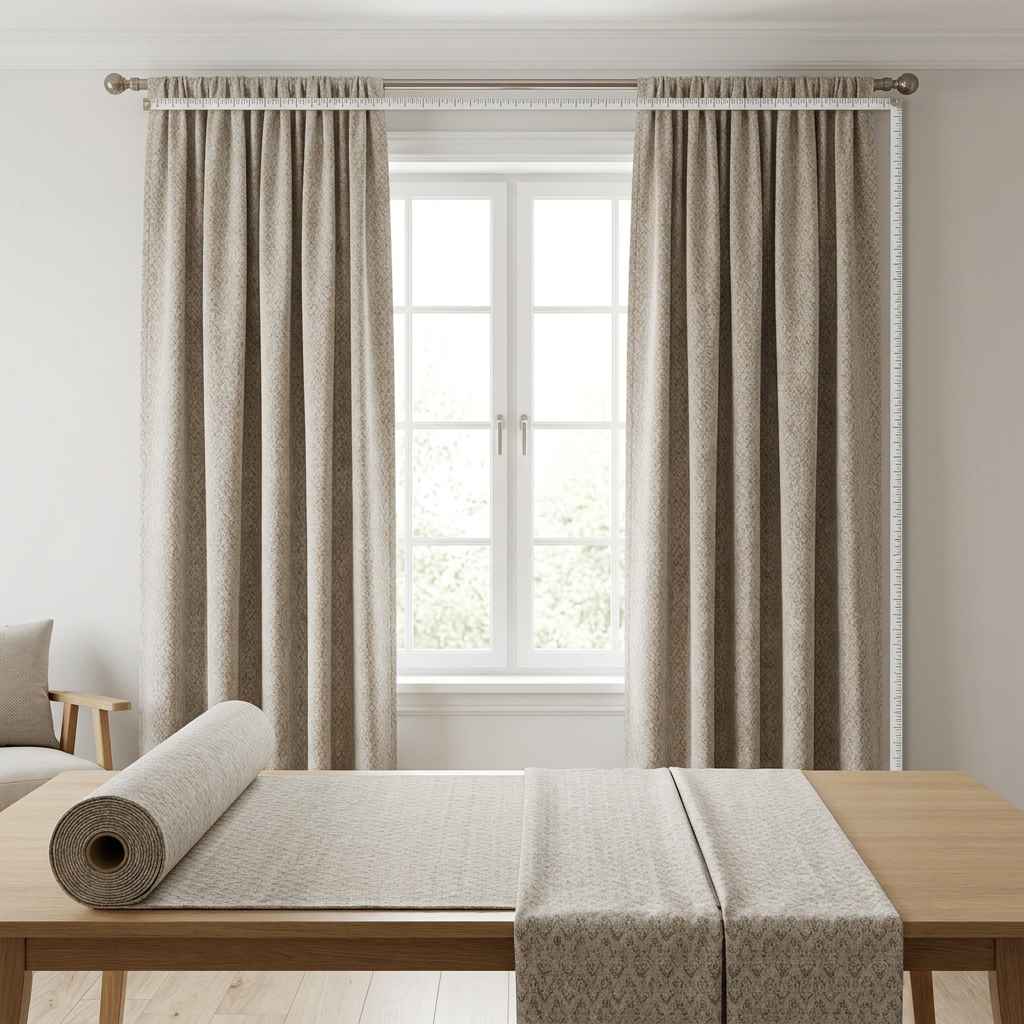
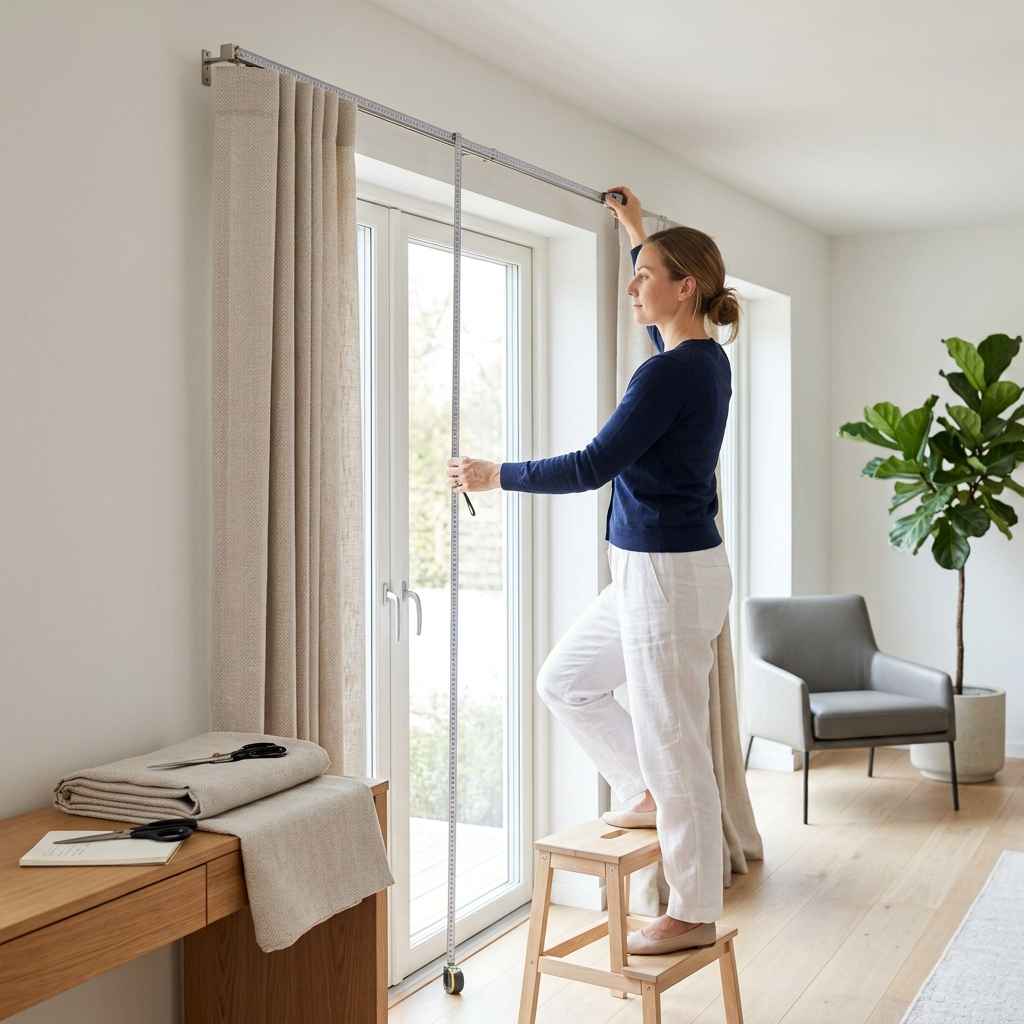
How to Measure for Curtain Fabric
Measure the rod or curtain track rather than relying only on the glass area. Record the finished curtain length from the correct heading point to the desired bottom position.
- Measure the rod or track width.
- Decide the finished curtain drop.
- Choose your fullness ratio.
- Check the usable fabric width.
- Add allowances for hems, seams, and pattern matching when needed.
How Curtain Fullness Affects Fabric Requirements
Fullness controls how much fabric is gathered across the rod or track. The curtain fullness ratio determines how much fabric is needed, while a fabric calculator for curtains can help estimate the required amount. Lighter fullness may use around 1.5 times the finished width, standard fullness around 2 times, and fuller styles around 2.5 to 3 times the width. More fullness creates deeper folds and requires more fabric.
1.5× Fullness
A lighter gathered look with softer folds and lower fabric requirements, suitable for simple or contemporary curtain treatments.
2× Fullness
A common starting point for balanced folds and standard curtain panels, providing a practical balance between appearance and fabric usage.
2.5×–3× Fullness
A fuller, more luxurious appearance with deeper folds, requiring more extra fabric and increasing overall fabric consumption.
What Fabric Width Should I Use for Curtains?
Curtain fabric width affects the finished curtain width and the number of fabric widths required to create the desired coverage. A wider fabric can reduce the number of fabric widths needed, while narrow fabric may require more vertical joins and additional fabric yardage.
When calculating your required curtain width, always check the usable fabric width, because selvage edges or design borders may reduce the width that can actually be used. Pattern repeat and pattern matching can also increase fabric requirements when multiple widths need to align.
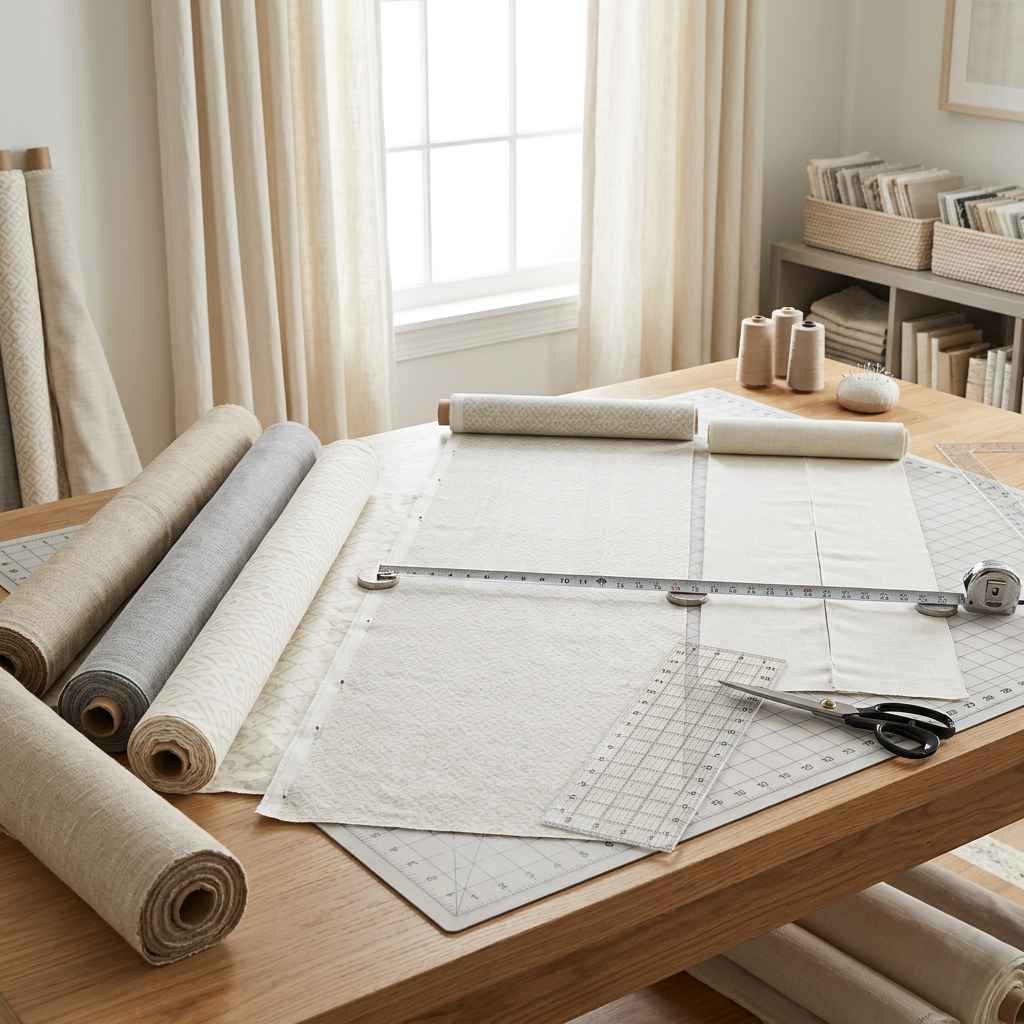
Curtain Fabric Measurements: Inches, Yards and Meters
You may measure a curtain project in inches, centimeters, yards, or meters. The important point is to keep the calculation consistent and convert units before doing the final yardage calculation.
| Measurement | Common Use | What to Check |
|---|---|---|
| Inches | Window, rod and finished drop measurements | Width, drop and allowances |
| Yards | Fabric purchasing in the US | Fabric width and cut length |
| Meters | Metric fabric purchasing | Convert dimensions consistently |
How to Calculate Curtain Fabric in Meters
Measure the project in centimeters or meters, calculate the required fabric widths and cut length, then convert the final quantity to the unit used by your fabric supplier.
How Pattern Repeat Affects Fabric Requirements
A vertical pattern repeat can increase the cut length because each fabric width may need to start at a matching point. Large fabric pattern repeats can therefore require additional extra fabric compared with plain or small-scale designs. A Curtain Fabric Calculator can help estimate the resulting fabric yardage when pattern matching increases material requirements.
Plain Fabric
Plain fabric usually has no pattern matching requirement, so the fabric waste is generally lower.
Small Repeat
A small curtain pattern repeat may require a modest fabric allowance, depending on the design and matching points.
Large Repeat
A large repeat can significantly increase the cut length when motifs need to align across curtain panels.
How Curtain Style Affects Fabric Requirements
Different curtain styles use different heading constructions, fullness levels, and finished measurements, which can change the fabric requirements for curtains even when the rod or track width remains the same. A free fabric calculator can help estimate the required material by considering the finished width, fullness, usable fabric width, and relevant heading allowances.
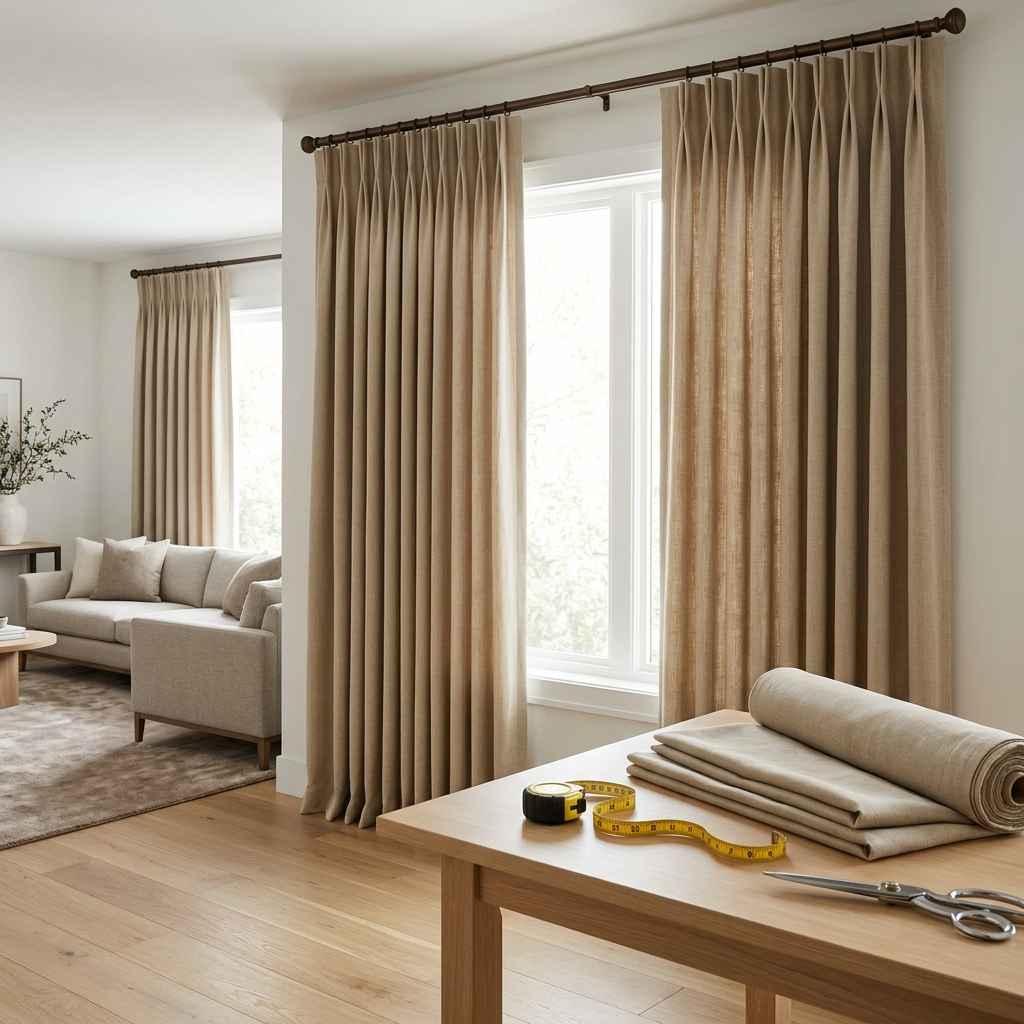
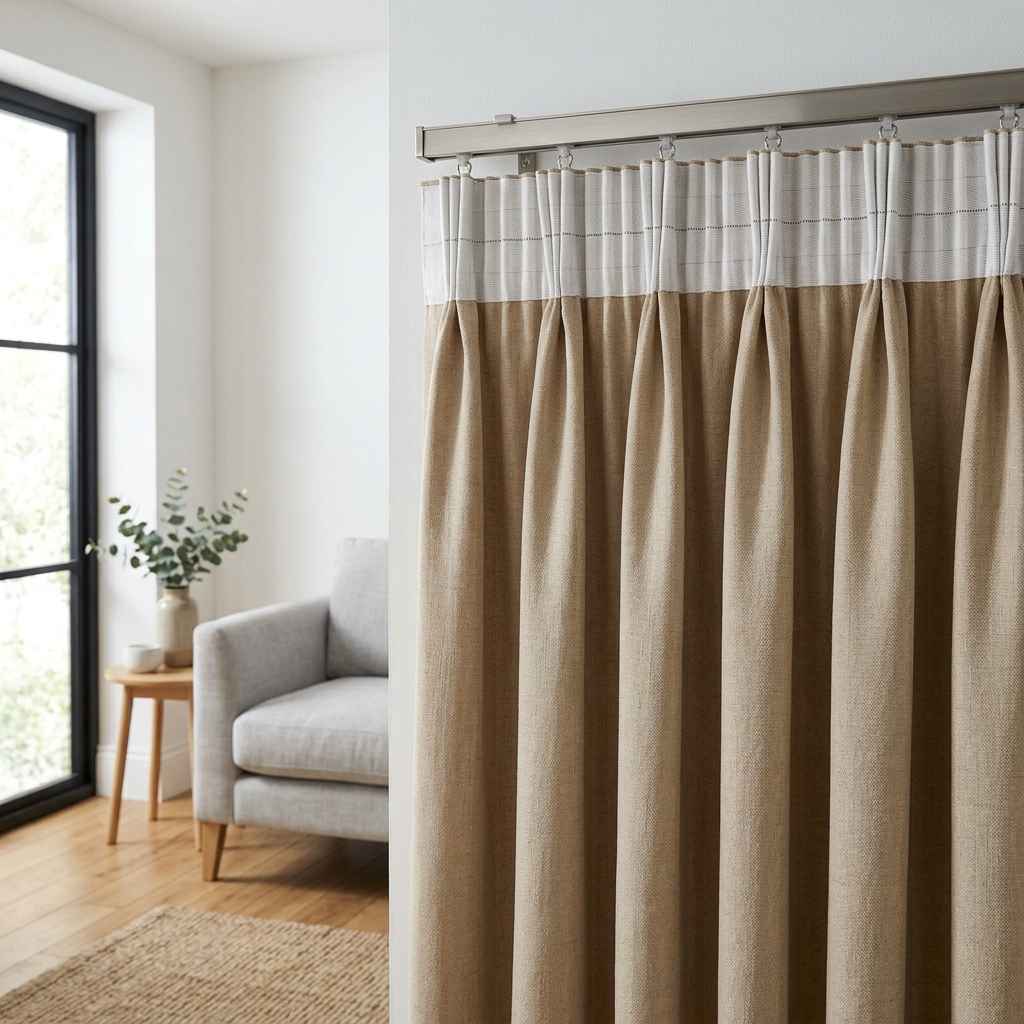
Pinch Pleat Curtains
Pinch pleat curtains use a gathered heading, so the selected pinch pleat fullness and finished width are important when calculating fabric. The fabric needed for pinch pleat curtains depends on the fullness ratio, usable fabric width, and the allowance required for the pinch pleat heading. A higher fullness ratio creates deeper and more defined pleats, which increases the overall amount of curtain fabric required.
Pencil Pleat Curtains
Pencil pleat curtains use heading tape to create evenly gathered folds across the finished curtain. The fabric needed for pencil pleat curtains depends on the selected fullness, finished width, fabric width, and the construction of the heading. When estimating pencil pleat curtain fabric requirements, the appropriate heading allowance and finished curtain length should be included so the required fabric quantity is not underestimated.
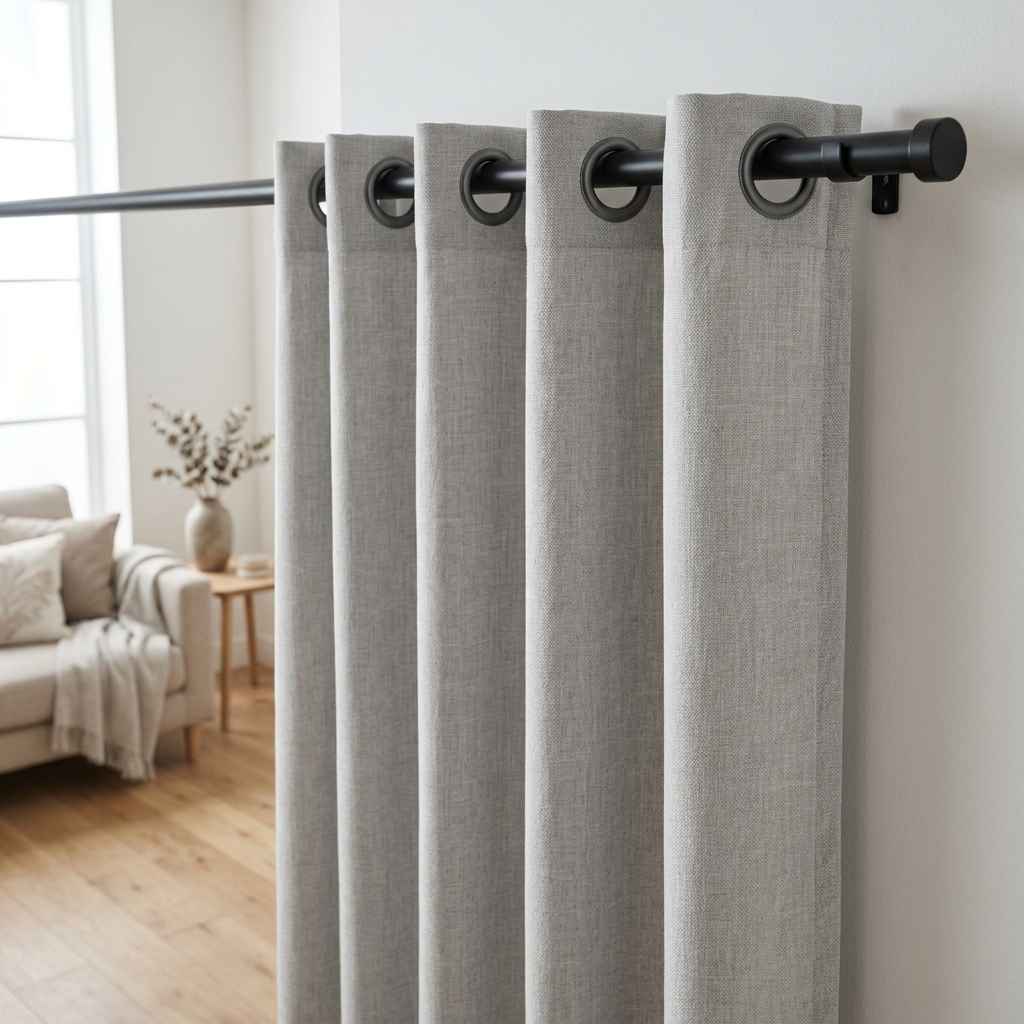
Eyelet / Grommet Curtains
Eyelet curtains, also known as grommet curtains, use reinforced rings through which the curtain rod passes, creating a different heading construction from gathered pleats. The fabric needed for eyelet curtains depends on the desired eyelet curtain fullness, finished length, usable fabric width, and the allowance needed around the eyelet heading. Because the eyelet heading affects where the finished curtain length is measured, the correct measurement point should be used when calculating the total fabric requirement.
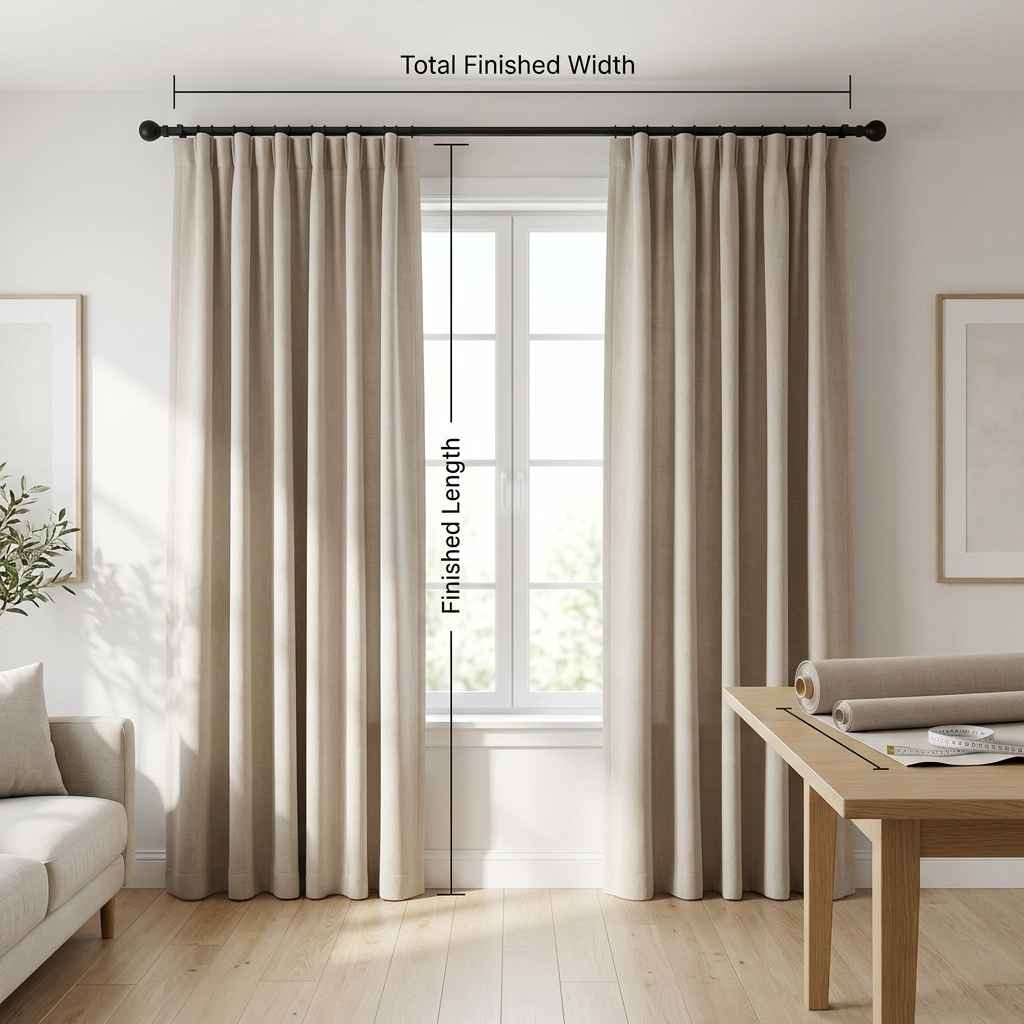
How Much Fabric Do I Need for a Pair of Curtains?
A pair normally consists of two finished panels. Calculate the total required finished width first, then determine how many fabric widths are needed and multiply by the required cut length.
For a single panel, the same principle applies, but the total fabric width and number of finished panels are reduced.
How to Calculate Fabric for Curtains
A practical curtain fabric calculation starts with your curtain rod width, finished curtain length, and curtain fullness ratio. To understand how to calculate fabric for curtains, multiply the required width by the fullness, divide it by the usable fabric width to determine the number of fabric widths, then add the hem allowance, seam allowance, and any pattern repeat needed for pattern matching. The final calculation gives you the total curtain fabric yardage or meters required for the project.
1. Measure rod / track width2. Multiply by desired fullness3. Divide by usable fabric width4. Round up to whole fabric widths5. Add finished drop + hems + heading allowances6. Add pattern-repeat allowance when required7. Convert the result to yards or meters for purchasing
Common Curtain Fabric Calculation Mistakes
Avoid common curtain fabric calculation errors by checking your rod or track measurements, fullness, usable fabric width, pattern repeat, and sewing allowances before estimating the fabric required for curtains.
Wrong Width
Using the glass or window opening instead of measuring the rod or track span can lead to an inaccurate estimate because the curtain needs to cover the intended finished area with enough material for gathering.
No Fullness
The flat measurement does not represent the final gathered appearance. The amount of gathering across the finished width affects how much material is needed and should be considered before calculating the fabric quantity.
Ignoring Repeat
For patterned material, failing to account for the vertical design repeat can result in insufficient fabric because individual widths may need to be positioned at matching points, increasing the cutting length and material used.
No Allowances
The final drop is not always the same as the amount that needs to be cut. Extra material for hems, seams, and the curtain heading should be included so the finished length can be achieved without reducing the usable fabric.
Curtain Fabric Calculator FAQs
Yes. This testing version is designed as a free browser-based curtain fabric calculation tool.
Yes. Enter the rod or track width, finished drop and fabric width using the same measurement system. The calculator also includes metric input as a planning option.
The answer depends on your curtain width, drop, fullness, fabric width, number of panels, and pattern repeat. Use the calculator above for an estimate.
Yes. Keep your measurements in a consistent metric unit and convert the final fabric requirement to meters for purchasing.
Not necessarily. A responsive browser-based calculator can perform the calculation without installing a separate app.
Yes. Pinch pleats use a gathered heading, so fullness, finished width and heading construction should be considered when estimating fabric.
Yes. Usable fabric width affects how many vertical fabric widths are needed to achieve the finished curtain width.
Plan Your Curtain Project Before Buying Fabric
Use the calculator to estimate fabric quantity, then confirm the final requirements against your fabric supplier's usable width, pattern repeat, heading style and sewing allowances.
Explore the Fabric Guide