
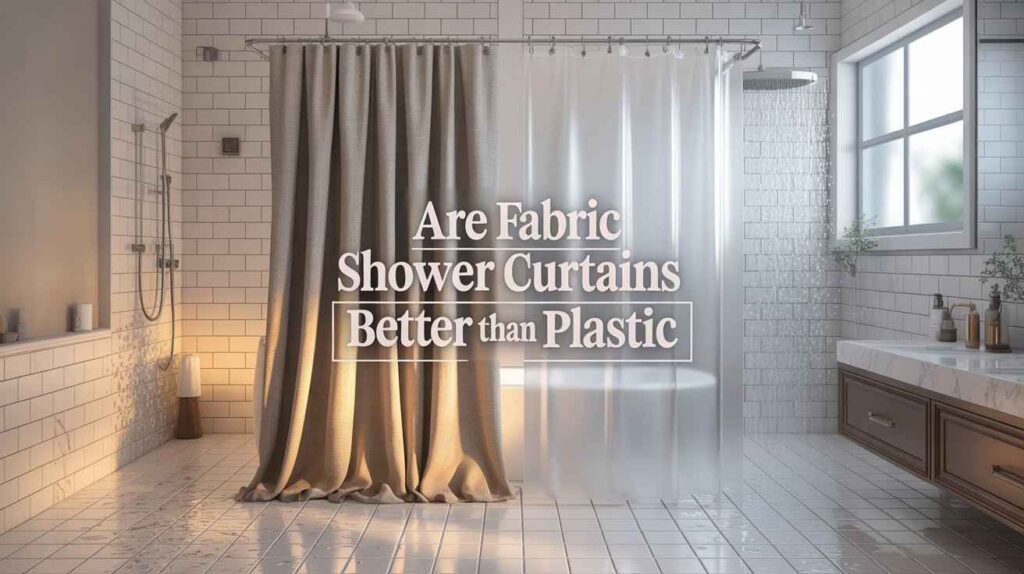
Choosing the right shower curtain may seem like a small detail, but it’s a decision that affects bathroom hygiene, style, durability, and indoor air quality. Many homeowners in the USA face the everyday challenge of deciding are fabric shower curtains better than plastic, weighing aesthetics against practicality, maintenance, and long-term value. Your choice impacts not only the look and feel of your bathroom but also health considerations, moisture control, and overall longevity of the curtain. By the end of this article, you’ll know which option is healthier, more stylish, and cost-effective, helping you make an informed decision that fits your lifestyle, bathroom size, and eco-conscious preferences.
Fabric vs Plastic Shower Curtains: Material Overview
Fabric and plastic shower curtains differ mainly in material composition, performance, and long-term usability. For most homeowners, the choice depends on water exposure, bathroom ventilation, maintenance habits, and environmental preference. Understanding these material differences helps answer whether fabric shower curtains are better than plastic for everyday use.
Fabric Shower Curtains
Fabric shower curtains are designed for comfort, aesthetics, and airflow, making them popular in modern and well-ventilated bathrooms.
Common materials
- Cotton: Natural fibres with a soft, breathable feel
- Polyester blends: Durable, quick-dry, and mould-resistant
- Linen: Premium texture with a decorative finish
Key characteristics
- Allows better breathability and airflow, reducing trapped moisture
- Soft texture creates a premium, fabric-like feel
- Available in patterns, textures, and colours that enhance bathroom décor
Practical use
- Often paired with a liner for added water protection
- Suitable for homeowners prioritising style, comfort, and reusability
Plastic Shower Curtains
Plastic shower curtains focus on functionality, water protection, and affordability, especially in high-moisture environments.
Common materials
- Vinyl (PVC): Durable but less eco-friendly
- PEVA: PVC-free, lower chemical odour
- EVA: Flexible, lightweight, and more environmentally conscious
Key characteristics
- Fully waterproof surface prevents water leakage
- Lightweight and easy to install or replace
- Cost-effective option for rentals and guest bathrooms
Practical use
- Ideal for bathrooms with limited ventilation
- Common choice for users seeking low maintenance and budget control
Key Differences Between Fabric and Plastic Shower Curtains
Durability and lifespan
- Fabric curtains typically last 2–4 years with proper care.
- Plastic curtains may need replacement within 6–18 months.
Water resistance and mould prevention
- Fabric offers airflow but may need a liner
- Plastic blocks water completely but can trap moisture if not cleaned regularly
Environmental impact
- Fabric options are often reusable and partially biodegradable.
- Plastic materials are non-biodegradable and contribute to waste.
Material-Based Verdict
Fabric shower curtains provide better comfort, aesthetics, and sustainability, while plastic shower curtains offer maximum water resistance and affordability. The better option depends on bathroom conditions and homeowner priorities, not just price alone.
Pros and Cons of Fabric Shower Curtains
Fabric shower curtains are widely chosen for their bathroom décor value, comfort, and reusable nature, but they also come with maintenance and moisture-handling trade-offs. Compared with plastic curtains, fabric options focus more on aesthetic appeal, durability, and environmental safety, while requiring slightly more care in daily use.

Advantages of Fabric Shower Curtains
Fabric shower curtains are known for their luxurious aesthetic and hotel-like look, making them a popular upgrade for modern bathroom design.
Key benefits
- Stylish patterns and colours:
Available in a wide variety of colours, textures, designs, and weights, fabric curtains easily match bathroom décor and elevate overall styling. - Premium look and feel:
Soft texture, elegant appearance, and luxurious look create a more refined space compared to plastic curtains. - Eco-friendly and reusable:
Made from materials like cotton, linen, and polyester, fabric shower curtains are reusable and safer for the environment, with fewer chemical and PVC concerns. - Breathable materials:
Better airflow helps reduce mildew buildup compared to non-breathable plastic surfaces. - Durability and lifespan:
Polyester options, in particular, offer a longer lifespan, quick drying, and better resistance to daily wear. - Easy cleaning:
Most are machine-washable on a gentle cycle, offering easier cleaning than scrubbing vinyl plastic curtains.
Disadvantages of Fabric Shower Curtains
Despite their benefits, fabric shower curtains also have practical drawbacks that homeowners should consider.
Key drawbacks
- Requires regular washing:
Fabric curtains must be taken down and laundered regularly to maintain hygiene and prevent mildew susceptibility. - Moisture absorption risk:
Cotton fibres and other natural fibres absorb moisture, increasing mould risk if not properly dried after use. - Not fully waterproof:
Fabric curtains are water-resistant but not waterproof, so a separate waterproof liner is usually required to keep water in the shower. - Higher cost and weight:
Fabric options are generally more expensive and heavier than plastic, sometimes requiring robust or permanent shower rods. - Maintenance effort:
Unlike plastic curtains that can be wiped down, fabric curtains need ongoing maintenance to avoid mildew buildup.
Fabric shower curtains offer better aesthetics, breathability, and eco-friendly benefits, making them ideal for main bathrooms where style is prioritised. However, they require more maintenance, proper ventilation, and a liner, while plastic alternatives may suit high-use kids’ bathrooms or low-maintenance needs.
Pros and Cons of Plastic Shower Curtains
Plastic shower curtains are a cheap and widely available bathroom solution designed to keep water inside the shower and reduce daily cleaning effort. Made from materials like PVC, EVA, and PEVA, they are commonly chosen for small bathrooms, rentals, and temporary setups, but they also raise health and environmental concerns that homeowners should understand.

Advantages of Plastic Shower Curtains
Plastic shower curtains are primarily valued for functionality, affordability, and water protection.
Key advantages
- Affordable and widely available:
Plastic shower curtains are a budget-friendly option, often considered disposable, and easy to replace when worn. - Fully waterproof surface:
Being completely impermeable, plastic curtains effectively keep water inside the shower, helping maintain dry and tidy bathrooms. - Low maintenance and easy cleaning:
Most plastic curtains can be wiped clean, requiring less effort than washing fabric alternatives. - Lightweight and easy to install:
Simple to hang, remove, and replace without tools, making them ideal for temporary or rental bathrooms. - Variety of styles:
Available in many colours, patterns, and transparent options to suit different bathroom designs.
Disadvantages of Plastic Shower Curtains
Despite their convenience, plastic shower curtains come with notable drawbacks related to health, durability, and sustainability.
Key disadvantages
- Health and chemical concerns:
Conventional PVC and vinyl curtains may release harmful volatile organic compounds (VOCs) and phthalates, which can cause headaches, nausea, and long-term respiratory or hormonal issues. - Environmental impact:
Plastic, especially PVC, is not biodegradable and contributes to environmental pollution, making it less eco-friendly than fabric options. - Mould and mildew risk:
Constant moisture and poor ventilation can lead to mould and mildew development on plastic surfaces. - Durability issues:
Over time, plastic curtains may become stiff, crack, tear, and require frequent replacement. - Chemical odour:
New vinyl curtains often emit a strong, unpleasant chemical smell after installation.
Better Alternatives to Plastic Shower Curtains
For homeowners concerned about PVC shower curtain risks, safer options are available.
- EVA or PEVA curtains:
Chlorine-free and considered safer than PVC, with reduced chemical off-gassing. - Fabric or hemp alternatives:
Machine washable, more durable, eco-friendly, and often mould-resistant. - Glass shower doors:
A long-lasting, hygienic, and durable option for permanent bathroom upgrades.
Plastic shower curtains offer cheap, waterproof, and low-maintenance benefits, making them suitable for temporary use and small bathrooms. However, PVC chemical exposure, environmental impact, and mould risk mean they are not the best long-term solution for health-conscious homeowners.
Health & Safety Considerations
Choosing the right shower curtain is not just about aesthetics or budget; it can significantly impact bathroom hygiene and indoor air quality. Homeowners should consider both fabric and plastic options carefully to maintain a healthy bathroom environment and minimise exposure to harmful chemicals and mould.
Why Fabric Can Be Healthier
Fabric shower curtains often offer better health benefits for indoor spaces due to their natural properties and reduced chemical exposure.
- Reduces mildew and mould spores:
Breathable fabrics allow proper airflow, preventing trapped moisture and limiting the growth of mould and mildew in the bathroom. - Fewer harmful chemicals:
Unlike many PVC or vinyl curtains, fabric options are generally free from toxic substances, supporting better indoor air quality and a safer environment. - Mould-resistant options:
Many polyester or treated fabric curtains are designed to be mould-resistant, making them ideal for maintaining hygienic bathrooms.
Potential Health Risks of Plastic
Plastic shower curtains, particularly those made from PVC or vinyl, can introduce certain health risks if not properly monitored.
- Chemical exposure:
PVC and vinyl may release volatile organic compounds (VOCs) or other chemicals that can affect respiratory health and reduce indoor air quality. - Moisture trapping:
Fully waterproof plastic curtains can trap water and humidity, promoting bacterial growth and mildew, which can compromise bathroom hygiene. - Environmental impact:
Non-biodegradable plastics also add to long-term environmental concerns, which indirectly affect home health standards.
For homeowners focused on health, mould prevention, and non-toxic bathroom environments, fabric shower curtains are generally the healthier choice. Plastic curtains are convenient and waterproof but require good ventilation and regular cleaning to avoid mould and bacterial buildup. Choosing mould-resistant or non-toxic materials ensures both safety and long-term hygiene.
5. Style, Decor & Functionality
Choosing the right shower curtain can transform both the look and functionality of a bathroom. Homeowners should consider how the curtain affects bathroom decor, space perception, and daily usability, whether opting for fabric or plastic.

Enhancing Bathroom Aesthetics
Fabric shower curtains provide a wide range of prints, textures, and layered styles that elevate the overall bathroom decor. From elegant patterns to soft textures, they add depth and style, complementing modern and traditional designs alike. Plastic curtains, on the other hand, offer clear or patterned options suited for minimalistic bathrooms or small spaces where light and openness are priorities. Fabric curtain patterns tend to create a warmer, luxurious feel, while plastic options prioritise practicality with style flexibility.
Functional Features to Consider
Shower curtains should not only look good but also be practical for daily use. Fabric and plastic curtains can include hooks, liners, and weighted hems to ensure proper draping and prevent clinging. Weighted shower curtains in particular help maintain shape and reduce water splashing outside the shower. Easy installation and replacement are essential for both materials, allowing homeowners to update their bathroom design effortlessly while maintaining functionality.
Cost & Environmental Impact
When selecting a shower curtain, homeowners must consider both the financial investment and the environmental footprint. The choice between fabric and plastic affects long-term cost, sustainability, and eco-friendly bathroom practices. Understanding these differences helps make a more informed, sustainable decision.
Cost Comparison
Fabric shower curtains usually have a higher upfront cost compared to plastic, but they offer longer lifespan and durability, which can make them more cost-effective over time. Plastic curtains are initially cheaper, making them appealing for budget-conscious homeowners or temporary setups, but they may require frequent replacement, increasing overall expense. A shower curtain cost comparison shows that investing in quality fabric can reduce long-term spending while maintaining both functionality and style.
Environmental Considerations
From an environmental perspective, fabric curtains are generally reusable, recyclable, and create less waste, aligning with sustainable shower curtains and eco-friendly bathroom products initiatives. Plastic curtains, particularly those made from PVC or non-biodegradable materials, contribute to landfill waste and are less environmentally friendly. Choosing fabric over plastic supports long-term sustainability, reduces chemical exposure, and aligns with eco-conscious bathroom upgrades.
Maintenance & Longevity Tips
Proper care of shower curtains is essential for maintaining hygiene, extending lifespan, and preventing mould growth. Whether you choose fabric or plastic, following shower curtain care guidelines ensures your bathroom remains clean and your curtains remain functional for years.
Maintaining Fabric Curtains
Fabric shower curtains require regular maintenance to preserve their texture, colour, and hygiene. Most fabric curtains, including cotton, linen, or polyester blends, can be machine washed on a gentle cycle to remove dirt, soap residue, and mildew spores.
- Machine wash instructions: Wash fabric curtains every 4–6 weeks or sooner if moisture buildup is visible. Use mild detergent and avoid bleach to preserve fibres.
- Drying tips: Hang to dry completely or use low-heat settings in dryers to prevent shrinkage and maintain softness.
- Prevent mould: Ensure bathrooms are well-ventilated and use mould-resistant liners. Weighted hems or polyester options help reduce water retention and mildew growth.
By following these steps, homeowners can increase durability, reduce the risk of mould in shower curtains, and maintain visual appeal and softness over multiple years.
Maintaining Plastic Curtains
Plastic curtains are low-maintenance but still require care to avoid mould, mildew, and chemical odour.
- Wipe down regularly: After every few showers, wipe the surface with a clean cloth or mild cleaner to remove water deposits and prevent microbial growth.
- Prevent mildew: Keep the curtain fully extended after use to dry, and ensure bathroom ventilation is adequate.
- Extend usability: Plastic curtains may last 6–12 months depending on exposure, with transparent or patterned options showing wear differently. Replacing PVC curtains when stiff or cracked maintains hygiene and prevents VOC exposure.
Regular maintenance ensures long-term usability, preserves bathroom hygiene, and minimises frequent replacement costs.
For washing fabric shower curtains, follow gentle machine cycles, drying guidelines, and ventilation tips to prevent mould in shower curtains. For plastic options, consistent wipe-down, proper hanging, and good airflow prolong usability. Proper shower curtain care balances longevity, health, and cost-effectiveness for homeowners.
Learn how to keep your bathroom fresh and hygienic by checking out our guide on How to Clean Your Shower Curtain in the Washing Machine with Vinegar.
Buying Guide & Recommendations
Selecting the right shower curtain involves more than just style—it requires evaluating material, durability, maintenance, and bathroom needs. Homeowners in the USA can make informed decisions by considering both fabric and plastic options, balancing aesthetics, functionality, and long-term value. This guide highlights top recommendations for both types while keeping the 2025 December Google AI Overview updates in mind, emphasising clarity, user intent, and semantic relevance.
Top Fabric Shower Curtains for USA Homes
For homeowners prioritising style, durability, and eco-friendly materials, fabric shower curtains remain a top choice. Recommended options include cotton, linen, and polyester blends, which offer soft textures, luxurious aesthetics, and mould-resistant treatments.
- Sizes and styles: Fabric curtains are available in standard, extra-long, and extra-wide sizes to fit most bathroom layouts. Patterns and layered designs complement modern and traditional décor.
- Maintenance: Machine-washable fabrics with weighted hems ensure longevity while maintaining shape and minimising water splashes.
- Why fabric: These best fabric shower curtains enhance bathroom decor while providing a breathable, mould-resistant alternative to plastic. Top-rated US brands also focus on eco-friendly production, chemical safety, and durability.
When Plastic Might Be the Better Choice
Plastic shower curtains remain a practical solution for budget-conscious homeowners, small bathrooms, or temporary setups.
- Affordability: Plastic options are generally cheaper upfront and easy to replace, making them suitable for rentals, guest bathrooms, or short-term use.
- Waterproof convenience: PVC, EVA, and PEVA materials provide complete water resistance, keeping bathrooms dry and tidy without additional liners.
- Low maintenance: Simple wipe-down care and lightweight installation make plastic curtains an efficient choice.
- Why plastic: For those seeking top-rated plastic shower curtains in the USA, options with clear, patterned, or lightweight designs balance practicality with aesthetic appeal for smaller spaces.
9. Comparison Table
| Feature / Attribute | Fabric Shower Curtains | Plastic Shower Curtains |
|---|---|---|
| Durability | High – long lifespan, resistant to wear and tear, can last 2–4 years with proper care | Moderate – may crack, tear, or stiffen; typically 6–12 months before replacement |
| Style | Luxurious appearance, wide variety of prints, textures, layered designs, premium décor | Basic to minimalistic designs, clear or patterned, suitable for small bathrooms and rentals |
| Maintenance | Machine washable, weighted hems prevent clinging, requires regular laundering, mold-resistant options | Low-maintenance, wipe down regularly, fully waterproof, requires good ventilation to prevent mildew |
| Health | Fewer harmful chemicals, reduces mold and mildew spores, better indoor air quality | PVC/Vinyl can release VOCs, traps moisture, may promote bacterial growth if ventilation is poor |
| Eco-Friendliness | Reusable, recyclable, less waste, sustainable shower curtain options available | Non-biodegradable, contributes to landfill, less environmentally friendly |
| Cost | Higher upfront, long-term value due to durability | Lower upfront, cheaper for short-term use, may require frequent replacement |
Conclusion
Fabric shower curtains are generally better for health and aesthetics, offering breathable, mould-resistant materials, luxurious textures, and eco-friendly benefits, while plastic curtains remain a practical choice for homeowners seeking a budget-friendly, low-maintenance solution. When choosing between the two, consider your lifestyle, bathroom size, and commitment to eco-conscious products, as these factors can impact both the longevity and usability of your shower curtain. By evaluating fabric vs plastic shower curtains carefully, you can select the option that best balances style, functionality, and sustainability for your home.
Q1: Are fabric shower curtains waterproof?
A: Most fabric shower curtains are water-resistant but not fully waterproof, so using a liner is recommended to prevent water from escaping the shower.
Q2: How often should I wash a fabric shower curtain?
A: Fabric curtains should be washed every 4–6 weeks or sooner if moisture buildup is visible to prevent mould and maintain hygiene.
Q3: Can I use a liner with a fabric shower curtain?
A: Yes, a waterproof liner protects your bathroom from water while allowing the fabric curtain to maintain style and breathability.
Q4: Are plastic curtains safe for families with children?
A: Yes, plastic curtains are generally safe, durable, and easy to clean, but ensure proper ventilation to prevent mould and chemical exposure.
Q5: What is the best way to prevent mould on shower curtains?
A: Always hang curtains fully open after use, ensure good bathroom ventilation, and clean regularly to prevent mould growth.

I’m Attaur Rahman, founder of DecorReviewHub. I test and review curtains and home decor products to help homeowners make the right choice for every room. All my guides are based on real use and honest comparisons.